01
Measures the fruit, not the air
Supply and return air sensors control the refrigeration unit. The USDA sensor records the temperature inside the product, the value that documents the treatment.
We manufacture USDA sensors, also known as USDA probes or pulp probes, that record fruit temperature during cold treatment in refrigerated containers. Every probe is tested, every batch is traceable, and each configuration is matched to your reefer platform.

A USDA sensor is a temperature probe inserted into the fruit itself. It plugs into the dedicated USDA inputs of the reefer controller, which logs pulp temperature for the whole cold-treatment period.
Supply and return air sensors control the refrigeration unit. The USDA sensor records the temperature inside the product, the value that documents the treatment.
Cold treatment is a non-chemical phytosanitary treatment: fruit must stay below a set temperature for a set number of days, and USDA probes provide the record.
Cold-treatment reefers have dedicated USDA probe channels. The number of probes and their position in the load follow the applicable protocol.
Standard configuration shown below. Controller and connector compatibility is confirmed for each project before production.
Our USDA probes are built for the reefer platforms that run cold-treatment programs worldwide. Send us the reefer model and controller and we confirm the right configuration.
For compatible DataCORDER-equipped Carrier reefers using USDA cold-treatment temperature channels.
For compatible Thermo King reefer controllers and cold-treatment configurations.
For compatible Star Cool installations running cold-treatment programs.
Designed for compatible Daikin reefer equipment and treatment programs.
Before a cold treatment starts, each USDA probe is checked in an ice-point bath and its correction is stored in the reefer controller. A valid bath matters as much as a good probe.
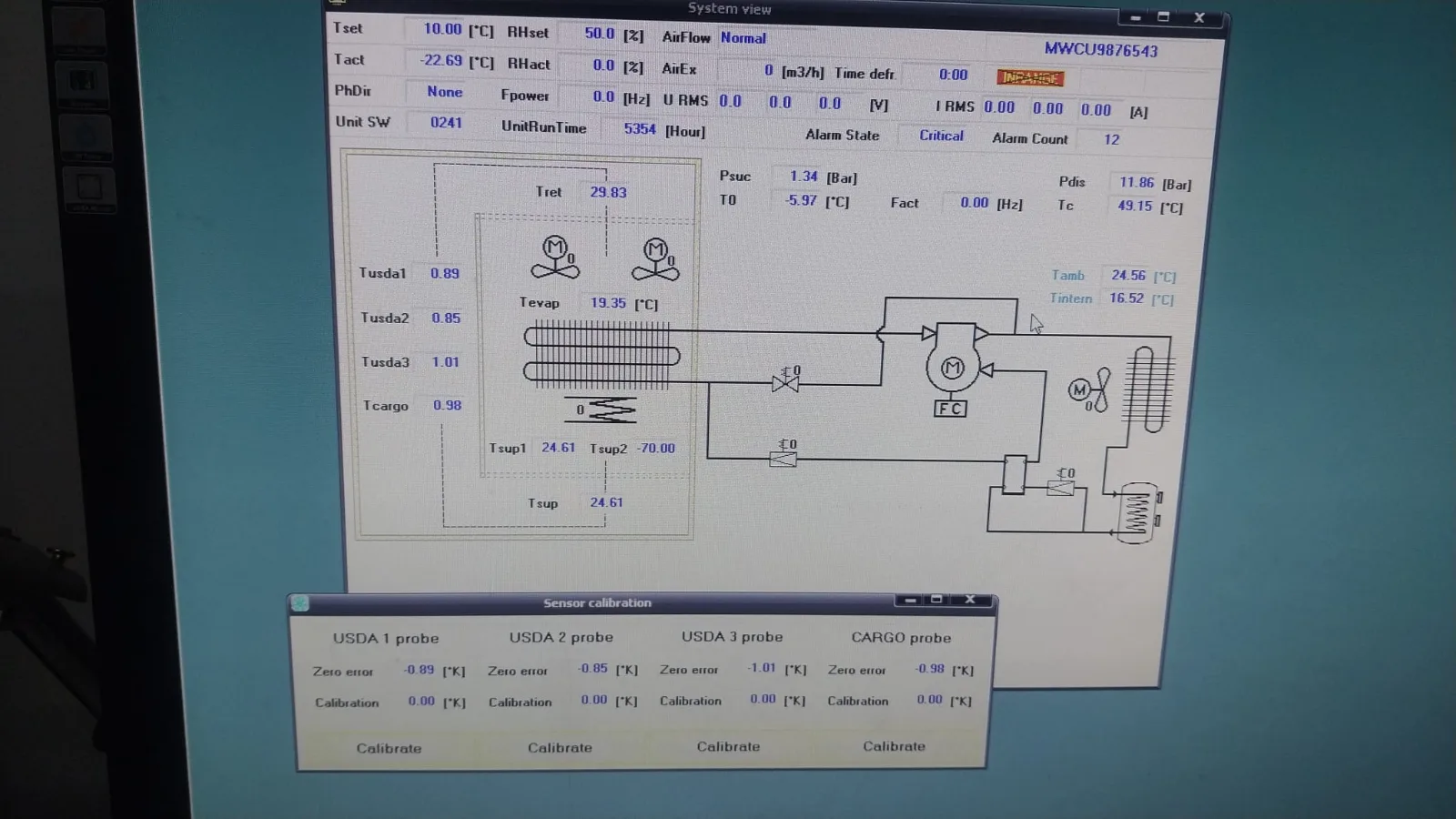
The controller can correct a probe offset, but it cannot correct an unknown error in the bath used to measure it. That is why the ice bath must be prepared, stabilized and verified before readings are accepted.
Clean, finely divided ice from distilled or deionized water, with a dense ice-water mix.
Check the bath with a calibrated thermometer, ideally with 0.01 °C resolution.
Keep the tips in a stable zone, away from the container wall and bottom.
Follow the reefer manufacturer's procedure so each correction is recorded before loading.
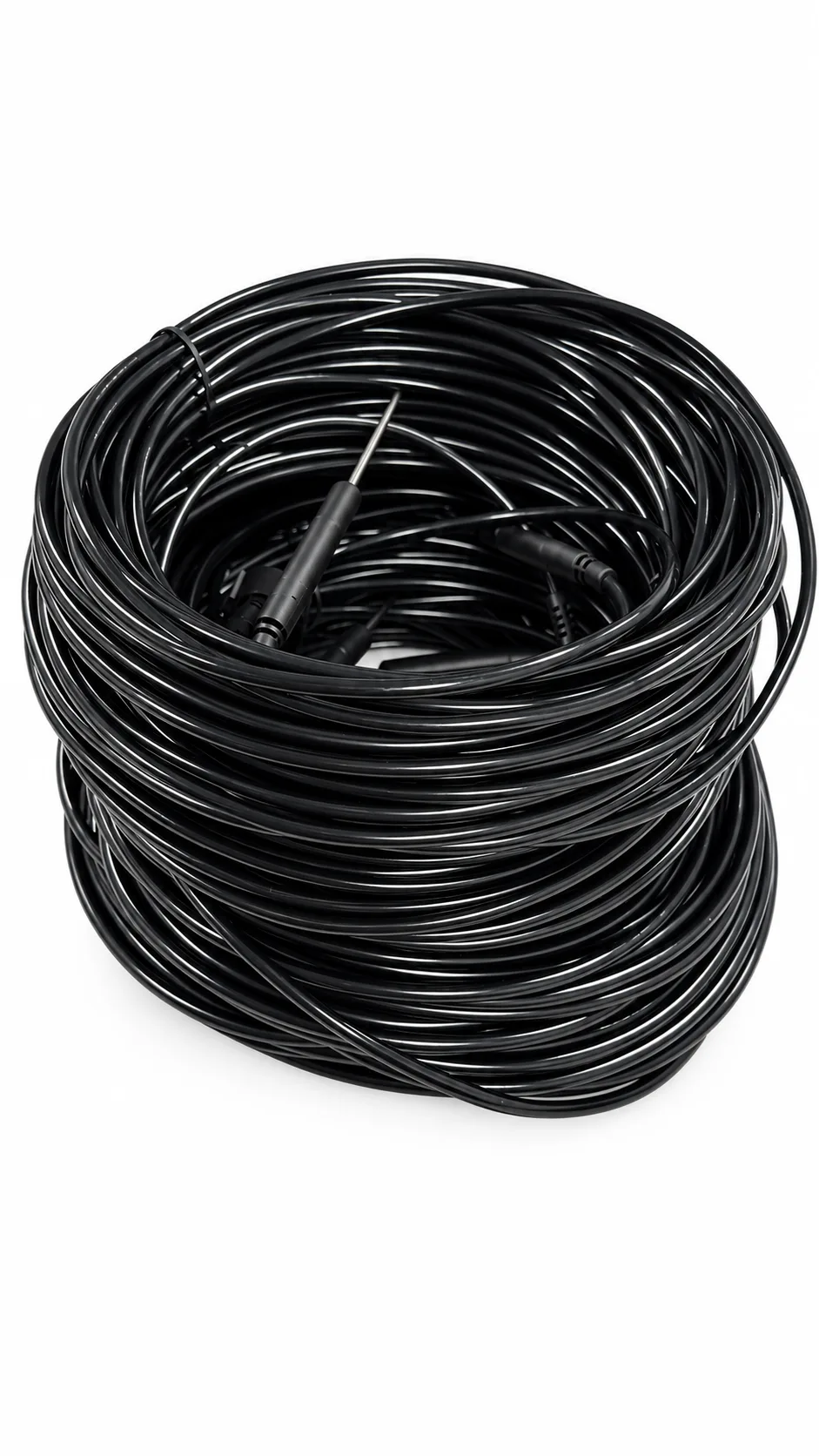
A USDA probe works in cold, wet and rough conditions inside the load. Our process is built on repeatable checks and documented production batches.
For organizations that need consistent pulp-temperature sensing in reefer and export operations.
Fresh-fruit cold-treatment programs and replacement probes.
PTI, repair, service and sensor replacement inventories.
Shipping lines and logistics providers running cold-treatment programs.
Volume supply, documentation and project-specific configurations.
A USDA sensor, also called a USDA probe or pulp probe, is a temperature probe inserted into the fruit inside a refrigerated container. It connects to the USDA inputs of the reefer controller, which records pulp temperature during the cold-treatment period.
Cold-treatment reefers have dedicated USDA probe channels, usually three or four depending on the unit. The number of probes and their position in the load are defined by the applicable treatment protocol.
USDA probes are checked in a controlled ice-point bath verified near 0.00 °C, following the reefer manufacturer's procedure. The controller stores a correction for each probe before the treatment starts.
Our USDA probes are used on Carrier Transicold, Thermo King and Star Cool reefer platforms, and are designed for Daikin. Compatibility depends on reefer model, controller, sensor characteristic and connector, and is confirmed case by case.
Supply and return air sensors control the refrigeration unit. A USDA sensor measures the temperature inside the fruit, which is the value used to document that a cold treatment was completed.
Yes. We supply exporters, reefer depots, cold-chain operators and distributors, with documented production batches and project-specific configurations.
Tell us your reefer platform, quantity and destination market. We review the configuration and reply with pricing.
Reference price: USD 18 per probe (15 m cable).
Use the technical inquiry form or write to us directly.
USDA PROBE is an independent manufacturer and is not affiliated with or endorsed by the United States Department of Agriculture, Carrier, or other reefer equipment manufacturers. “USDA” refers to the regulatory cold-treatment context in which this type of probe is used. Product suitability should be verified for each equipment model and treatment program.